

Skillsoft
Skillsoft is a global leader in corporate learning, providing digital training and education solutions to help businesses improve workforce productivity, reduce risk, and increase innovation.


.webp)
Most organizations think they understand their workforce.
They don’t.
Ask any HR leader:
The answers are usually based on:
Not actual data.
This disconnect is why many companies invest heavily in training — but still struggle with skill shortages, poor talent utilization, and slow growth. This is precisely where AI-powered skill matrix platforms are changing the game.
Before understanding AI platforms, it’s important to see what’s broken.
Most organizations still rely on:
These methods fail because:
Result: Invisible skill gaps
Modern skill matrix platforms don’t just track skills—they create skill intelligence systems.
Instead of asking:
“What skills does this employee have?”
They answer:
“What can this workforce actually do—and what will it need next?”
That’s a fundamental shift.
Let’s break this down practically.
AI platforms collect data from multiple sources:
They create a dynamic skill graph — not a static list.
Traditional systems say, "Skill exists."
AI systems say, "Skill exists at this level, in this context."
This is where real insight begins.
AI identifies gaps at multiple levels:
But more importantly,
It identifies future gaps, not just current ones
Let’s move beyond theory.
Here’s where these platforms create real impact:
Instead of reacting to skill shortages, HR can:
Most organizations already have the talent they need — they just can’t see it.
Skill matrix platforms:
Training shifts are from
“Complete this course”
to
“Build this capability”
With skill insights, managers can:
AI-powered skill matrix platforms are not just HR tools — they are business tools.
A skills-first strategy cannot exist without skill visibility.
Without a skill matrix platform:
With it:
Organizations move from
role-based thinking → capability-based execution
We’re moving from:
to
Skill Matrix Platforms → Intelligence systems
This development is a major evolution.
AI-powered skill matrix platforms are not just another HR tool.
They solve a fundamental problem:
“Organizations don’t know what their workforce is capable of.”
By bringing visibility, intelligence, and prediction into workforce data, these platforms help HR teams:
And most importantly—they turn workforce data into actionable insights.
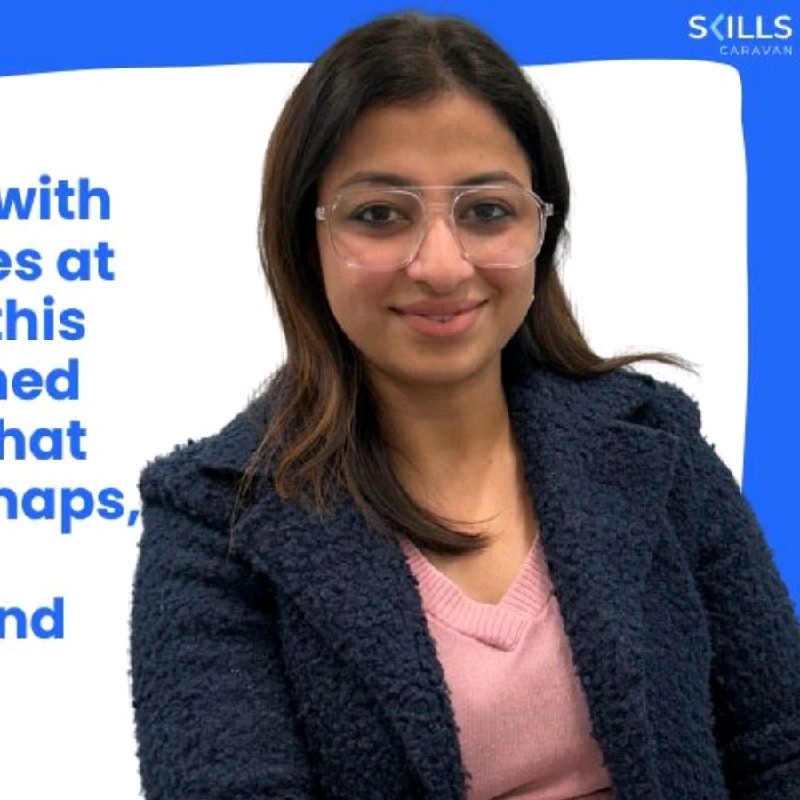

Shreya Verma is the VP of Product and Customer Success at Skills Caravan, where she leverages her decade-long expertise in learning & development (L&D) and human resources to shape an impactful, learner-centric platform. Her deep understanding of user needs, honed through hands-on L&D roles in leading companies, empowers her to translate insights into high-engagement interventions. At Skills Caravan, she bridges the gap between technology and people, ensuring learning experiences are not only effective but genuinely meaningful.
See how enterprises close skill gaps with AI. We'll email your brochure instantly.
Please enter your name, a valid email, and your phone number.
We respect your privacy. No spam — unsubscribe anytime.
Your platform overview is on its way. You can also download it right now.
Download Brochure



.png)
.png)
.png)
%20(1).png)
.png)


.webp)






Skillsoft is a global leader in corporate learning, providing digital training and education solutions to help businesses improve workforce productivity, reduce risk, and increase innovation.

FinShiksha provides a practical and industry-relevant approach to finance education, with courses designed by industry experts and delivered through interactive and engaging methods.

Wall Street Prep offers best-in-class financial training for aspiring finance professionals and corporate clients.

Udemy Business offers an unparalleled learning experience for organizations looking to upskill their workforce with over 155,000 courses taught by expert instructors.


.webp)

