Talent Mobility: How Skills Platforms Enable Hiring

Updated:
April 1, 2026
Skills Caravan
Learning Experience Platform
LinkedIn
April 1, 2026
, updated  
April 1, 2026

Hiring externally for every new role is slow, expensive, and often unnecessary. The real opportunity already exists inside the organization—but most companies don’t have visibility into it.

Reality: Talent doesn’t disappear—it gets overlooked. Without structured skill visibility, Talent Mobility becomes difficult to execute effectively.

Organizations are shifting toward internal hiring strategies powered by skill data instead of relying only on external talent pipelines.

What This Guide Covers

  • What talent mobility means in modern organizations
  • Why traditional internal hiring fails
  • How skills platforms enable internal mobility
  • How to build a skills-based workforce transformation strategy

What is Talent Mobility

Definition:

Talent mobility is the process of moving employees across roles, teams, or projects within an organization based on their skills, potential, and business needs.

It allows organizations to fill roles faster, retain employees, and build internal career pathways without relying solely on external hiring.

  • Internal hiring and role transitions
  • Project-based assignments
  • Cross-functional movement
  • Career progression within the organization

Why Traditional Internal Hiring Fails

Most organizations claim to support internal mobility—but in practice, it rarely works effectively.

  • No visibility into employee skills
  • Decisions based on manager recommendations
  • Limited access to internal opportunities
  • Bias toward external hiring

As a result, employees leave for opportunities they could have found internally.

Critical Gap: Companies don’t lack talent—they lack visibility into their existing talent.

How Skills Platforms Enable Talent Mobility

A modern skills platform makes internal mobility scalable by providing a clear view of workforce capabilities.

  • Maps skills across employees
  • Matches talent to internal opportunities
  • Identifies readiness for new roles
  • Recommends learning for career progression

This removes guesswork and enables data-driven internal hiring decisions.

Impact: Organizations can reduce external hiring costs and build stronger internal career pathways.

Skills-Based Workforce Transformation

Talent mobility is a key driver of skills-based workforce transformation. Instead of managing employees through roles, organizations start managing them through capabilities.

  • Roles become flexible, not fixed
  • Skills define opportunities
  • Learning aligns with business needs
  • Employees gain visibility into career paths

This creates a more agile and future-ready workforce.

How to Build a Talent Mobility Strategy

1. Create a Skills Framework

Define the skills required across roles and functions.

2. Map Employee Skills

Use assessments and data to understand current workforce capabilities.

3. Enable Internal Opportunities

Make roles and projects visible to employees.

4. Align Learning with Mobility

Provide targeted development pathways for role transitions.

Unlock Internal Talent with Skills Data

Enable Talent Mobility and build a future-ready workforce using structured skill insights.

Explore Skills Platforms

Talent Mobility Explained

Talent mobility is the ability of an organization to move employees across roles, projects, or departments based on their skills and business needs.

A skills platform enables talent mobility by mapping workforce capabilities, identifying skill gaps, and matching employees to the right internal opportunities.

  • Reduces dependency on external hiring
  • Improves employee retention
  • Accelerates internal hiring decisions
  • Supports skills-based workforce transformation

Frequently Asked Questions

What is talent mobility in organizations?
Talent mobility is the movement of employees across roles, teams, or projects within an organization based on their skills and business needs. It helps companies fill roles internally and improve employee retention.
Why is talent mobility important for companies?
Talent mobility reduces hiring costs, improves retention, and helps organizations use existing talent more effectively by matching employees to the right opportunities.
How do skills platforms support internal hiring?
Skills platforms map employee capabilities, identify skill gaps, and match individuals to internal roles or projects. This enables faster and more accurate internal hiring decisions.
What is a skills-based workforce transformation?
A skills-based workforce transformation focuses on managing employees based on their capabilities instead of job titles. It enables flexibility, internal mobility, and better workforce planning.
How can organizations improve internal mobility?
Organizations can improve internal mobility by mapping skills, making internal opportunities visible, and aligning learning programs with career progression paths.
About the author

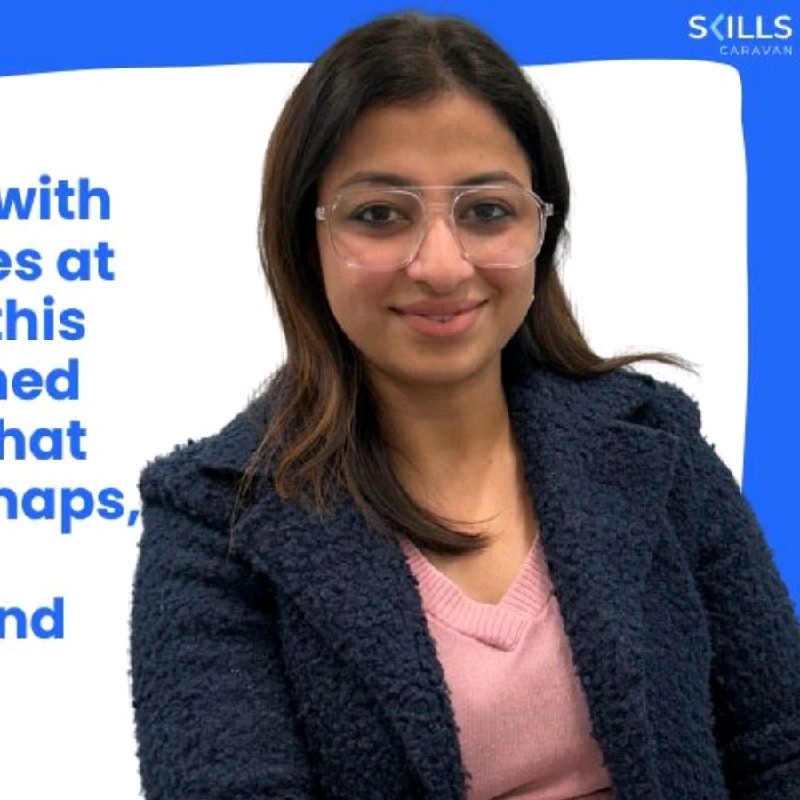
Shreya Verma is the VP of Product and Customer Success at Skills Caravan, where she leverages her decade-long expertise in learning & development (L&D) and human resources to shape an impactful, learner-centric platform. Her deep understanding of user needs, honed through hands-on L&D roles in leading companies, empowers her to translate insights into high-engagement interventions. At Skills Caravan, she bridges the gap between technology and people, ensuring learning experiences are not only effective but genuinely meaningful.

Trusted by Leaders
Book a Demo

Our Learning Partners

Skillsoft

Skillsoft is a global leader in corporate learning, providing digital training and education solutions to help businesses improve workforce productivity, reduce risk, and increase innovation.

Finshiksha

FinShiksha provides a practical and industry-relevant approach to finance education, with courses designed by industry experts and delivered through interactive and engaging methods.

Wallstreet Prep

Wall Street Prep offers best-in-class financial training for aspiring finance professionals and corporate clients.

Udemy Business

Udemy Business offers an unparalleled learning experience for organizations looking to upskill their workforce with over 155,000 courses taught by expert instructors.